The rodent operant conditioning chamber is used to assess reward-seeking or aversive behaviors.
Our chamber offers everything needed for operant assessments associated with voluntary goal-directed actions based on the repercussions of previous occurrences.
KF Technology offers the default operant chamber for mice or rats with 1x pellet dispensers and receptacle, 2x LED lights, 2x Mouse/Rat retractable levers, 1x automated LED house light, 1x shock grid, 1x chamber, and software packages for protocol set-up. This chamber is highly customizable with a huge range of add-ons and accessories (see below). For example, the option for an optic sensor to detect nose pokes can be added or pellet dispenders to be replaced with Lickometers.
Our Operant Chamber is compatible with all major video tracking and analysis packages including our complete tracking and analysis package ConductVision, Noldus Ethovision XT,and ANY-Maze.
KF Technology offers the Operant Chamber
Specifications
Mouse
|
Rat
|
| Chamber size: 18 cm (l) x 18 cm (w) x 20 cm (h) |
Chamber size: 26 cm (l) x 26 cm (w) x 25 cm (h) |
| (2x) Retractable levers or nose pokes |
(2x) Retractable levers or nose pokes |
| (2x) LED visual stimuli |
(2x) LED visual stimuli |
| (1x) Shock Grid |
(1x) Shock Grid |
| (1x) Pellet Dispenser |
(1x) Pellet Dispenser |
| (1x) Pellet Receptacle |
(1x) Pellet Receptacle |
| (1x) Tone speakers |
(1x) Tone speakers |
| (1x) house light |
(1x) house light |
| Feces and urine tray |
Feces and urine tray |
| Sound attenuating cubicle with (1) speaker, (1) circulation fan, (1) IR light |
Sound attenuating cubicle with (1) speaker, (1) circulation fan, (1) IR light |
| Conduct Software (optional) |
Conduct Software (optional) |
Introduction
Operant behavior is a type of learned behavior where animals associate a specific event or stimulus with its consequence and willingly change their behavior. The association occurs after the animals have repeatedly faced the same outcome of the action, which is reflected in the change in the animals’ tendency to perform a certain action.
In other words, operant behavior emerges as an adaptive strategy after the consequence of a particular action is realized. Animals learn to change their behavior so that they can achieve favorable results or avoid undesirable repercussions that they learned from past experiences.
American psychologist B.F. Skinner was the first to use operant to describe the behaviors he observed in his landmark experiments in laboratory animals. Operant behavior and conditioning refine the nuance between conscious and unconscious behavioral responses, which influence psychology, and applied behavior analysis, and improve our understanding of addiction, substance dependence, child development, and decision-making.
In the case of the Operant chamber, subjects learn to avoid a lever or nose poke if they received a shock or learn to press a lever or give a nose poke if they receive a reward. Other cues can include lights and sound.
Features
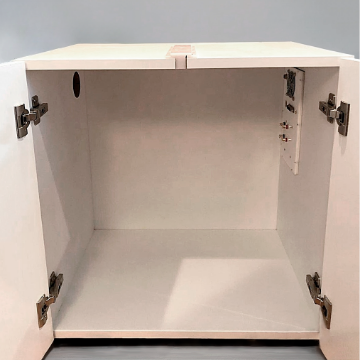
Sound attenuating chamber
Dimensions 60 x 55 x 65 cm (width x depth x height)
Multi-layer sound-proof insulation material that attenuates environment disturbance
Automated LED house light
Automated IR light
Automated air circulation fan
Camera mount
Pull-out floor shelf (optional)
Open slot for Optogenetic, cannuals, cables etc (optional)
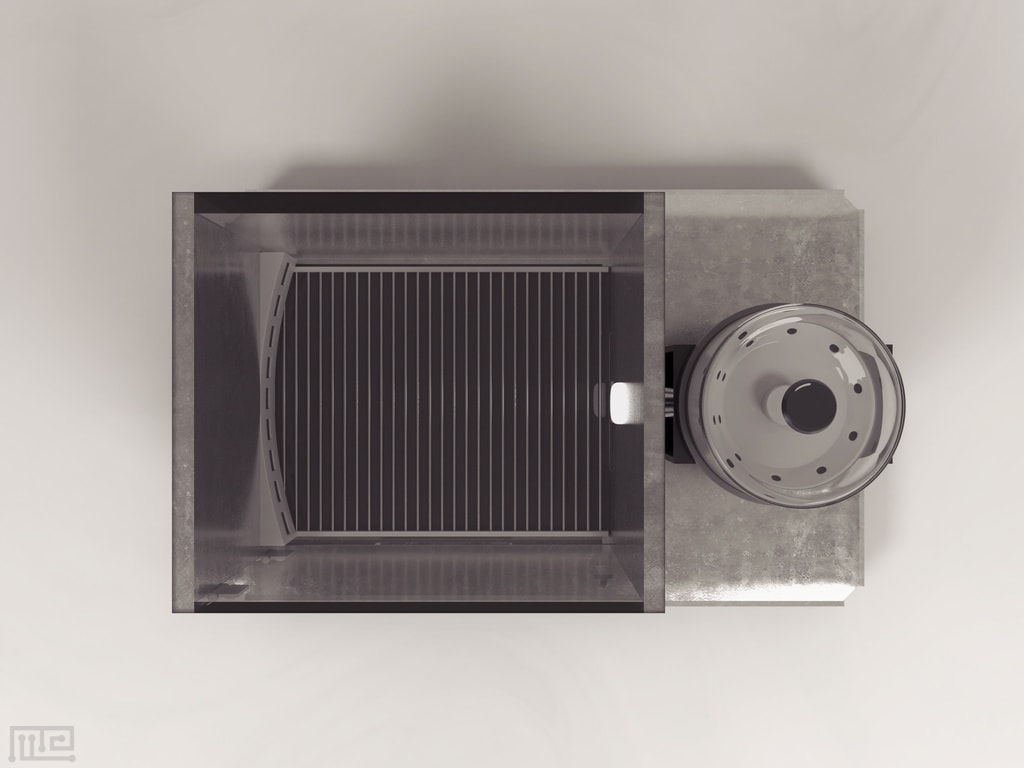
Chamber
Acrylic walls and base (Black or grey or blue or white)
Interior dimensions: Mouse: about 20 x 20 x 20 cm (LxWxH) to fit the grid of dimension 18x18 cm, Rat: about 30 x 30 x 30 cm (LxWxH) to fit the grid of dimension 27 x 27 cm, Custom dimensions available
Removable lid.
Removable feces catcher for easy cleaning
House light, two cue lights, speaker, one pellet dispenser, two levers (or nose pokes) with sensor detection.
Chamber construction supports optogenetic devices
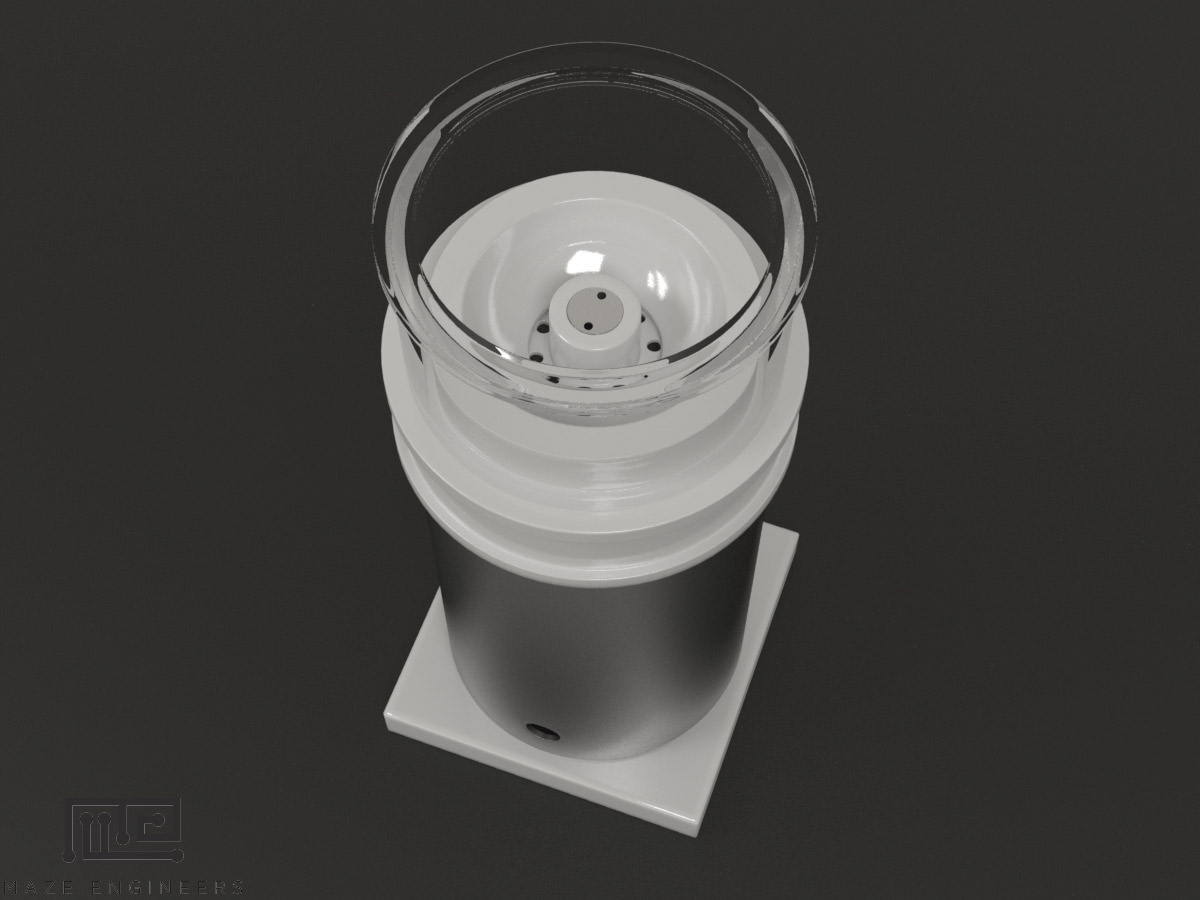
Pellet dispenser x1
The pellet dispenser is controlled by Conduct software to release pellets via protocol or lever press
20 mg pellet dispenser is the default choice (tested with pellets from Bio-Serv).
45 mg pellet dispenser is also available
Lickometers also available
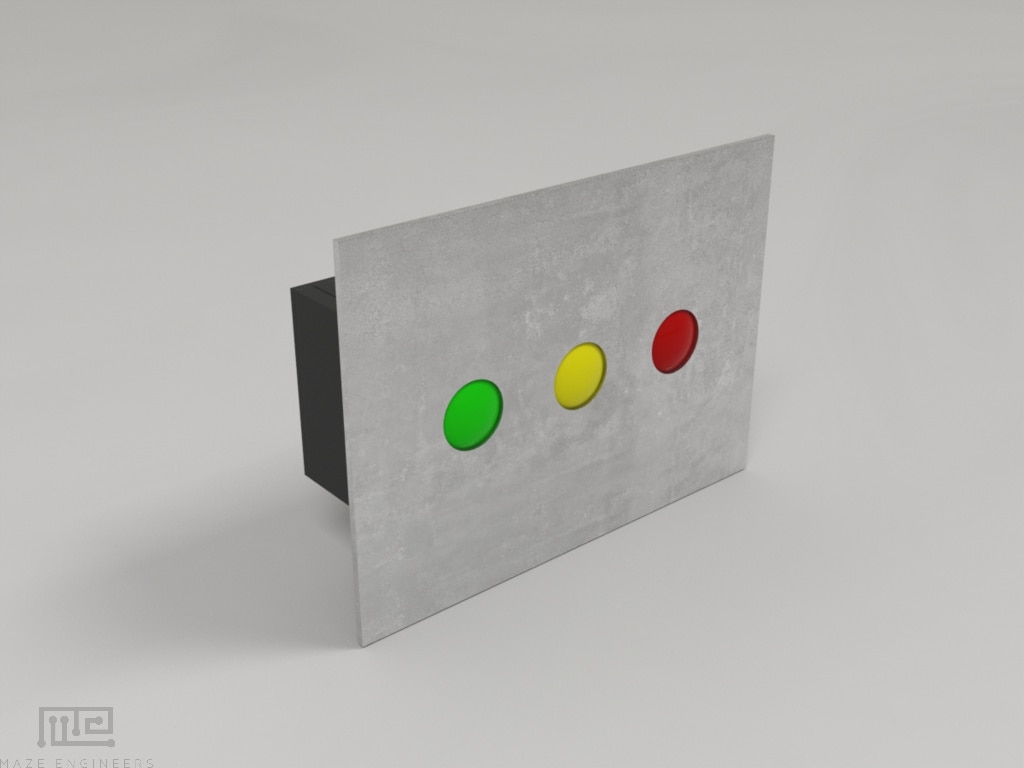
Cue lights
Each chamber is equipped with a cue light of configurable colors (white, red, green or blue)
The light on/off is controlled by Conduct software
Visible led light level 0-100, in steps of 5%
45 mg pellet dispenser is also available
Lickometers also available
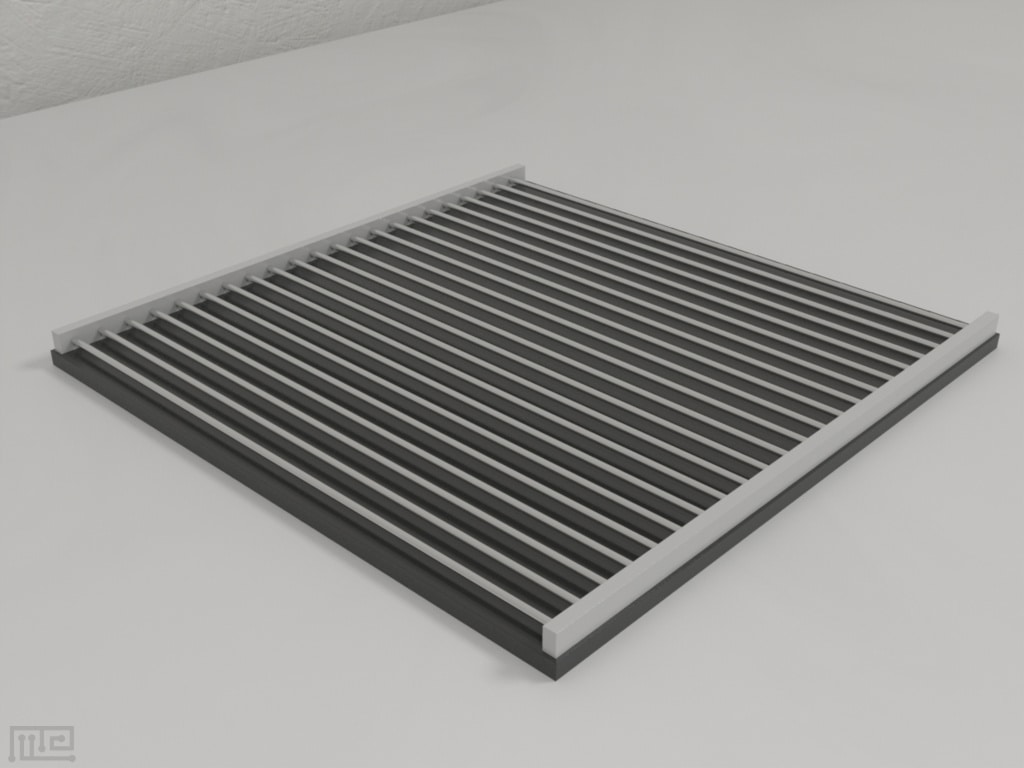
Shock grid
Shock current from 0.1 to 4.0 mA in 0.1 mA steps, programmable control
“Start/stop“ is controlled by Conduct software
Grid dimensions: Mouse: 18 x 18 cm with rod diameter 3 mm and spacing 5 mm, Rat: 27 x 27 cm with rod diameter 5 mm and spacing 10 cm
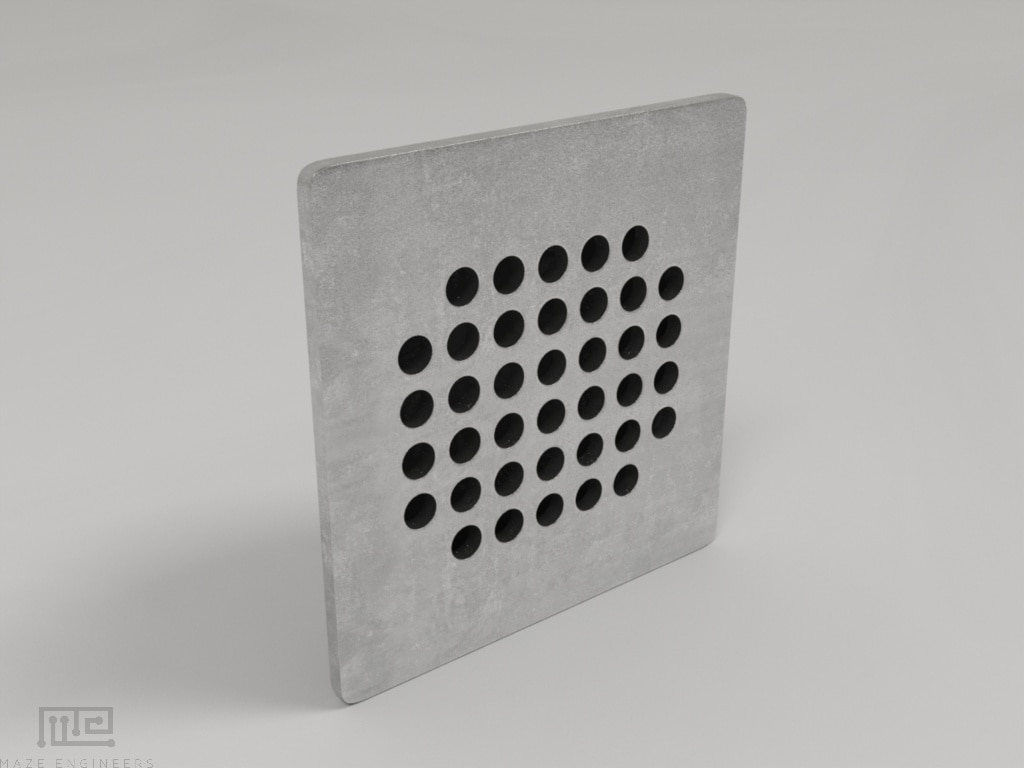
Frequency tone speakers
A speaker per chamber
Frequency tone – 100-20,000Hz frequency; volume 1-130dB
Independent sound frequency and volume control per chamber
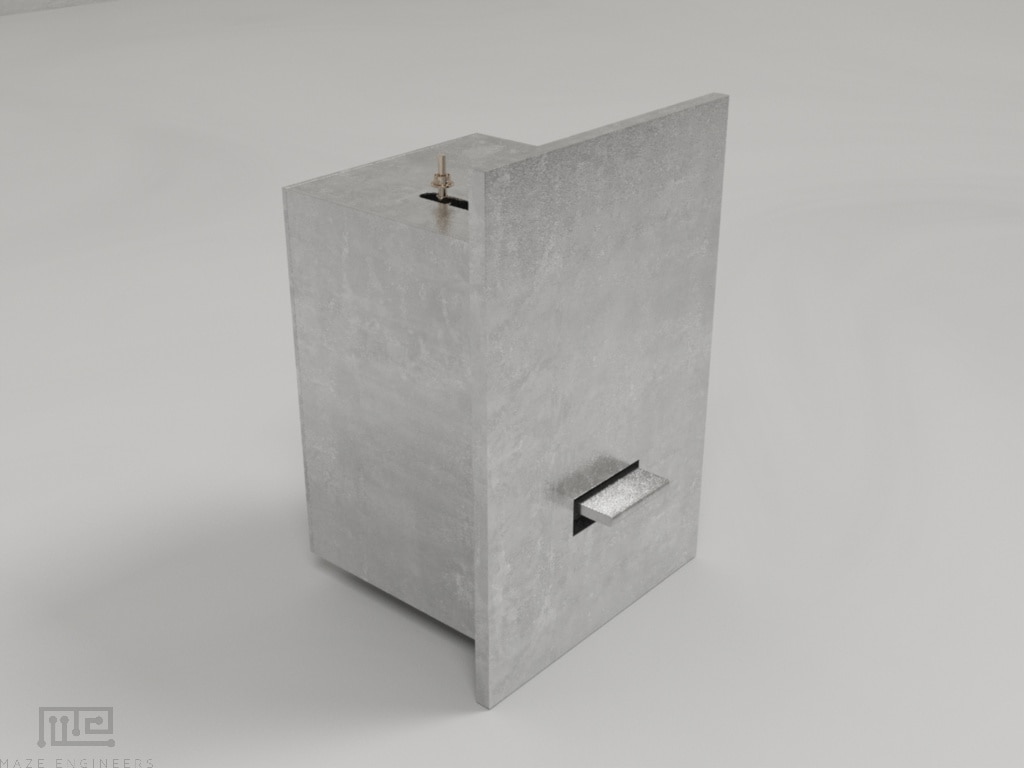
Retractable levers
Two retractable levers are made of stainless steel mounted on the interaction panel
Width: 1.6 cm for rats and 1 cm for mice
Nose pokes also available
Software
- Our Operant system has multiple software options to best suit your needs.
- Our Conductor software controls the system directly
- For those looking for protocol set-up combined with video tracking and analysis, the system is compatible with ConductVision, Noldus Ethovision XT,and ANY-Maze
- Each operant chamber includes a control box to control the chamber .
- The main controller connects to the PC via a USB (RS-232) cable and communicates with the software package on PC.
- Protocols can be set per chamber or per group so that both control and treatment groups can be tested simultaneously with the same or different parameters.
- The software supports up to 16 chambers simultaneously and allows individual chambers to start/stop and run independently
- Can implement many reward models including the probability model
- Maze Engineers can collaborate closely with the user to enhance software packages to their needs
- Software customizations upon request


